Plumbing Service

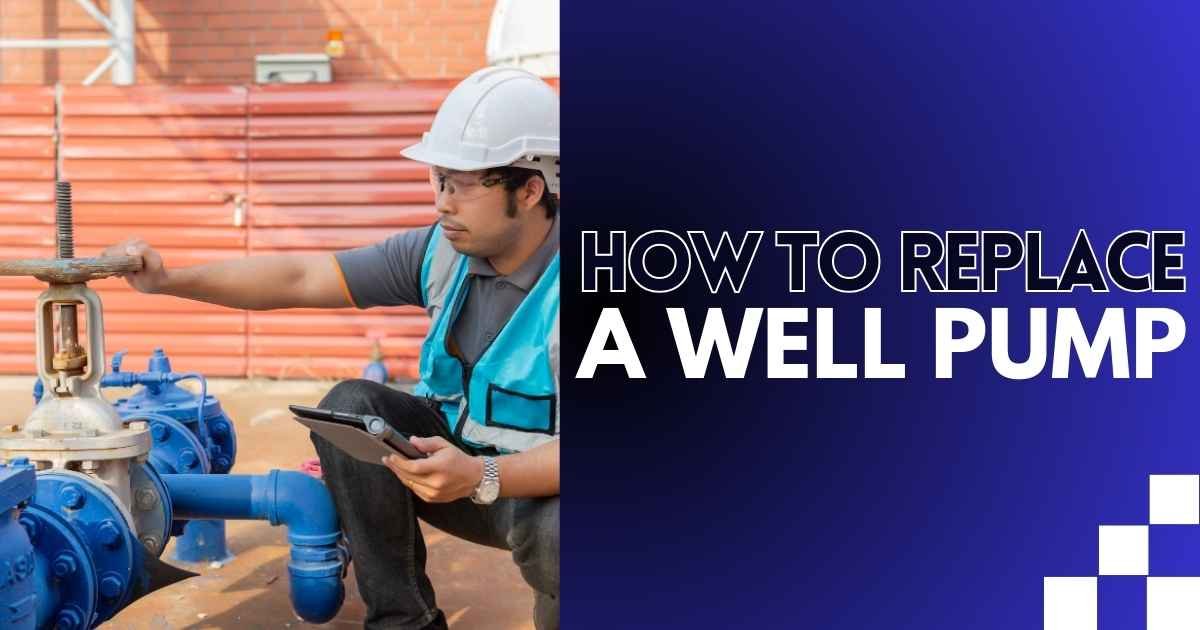
How to Replace a Well Pump
One morning, you turn on the faucet, but no water comes out. After checking, you found

One morning, you turn on the faucet, but no water comes out. After checking, you found
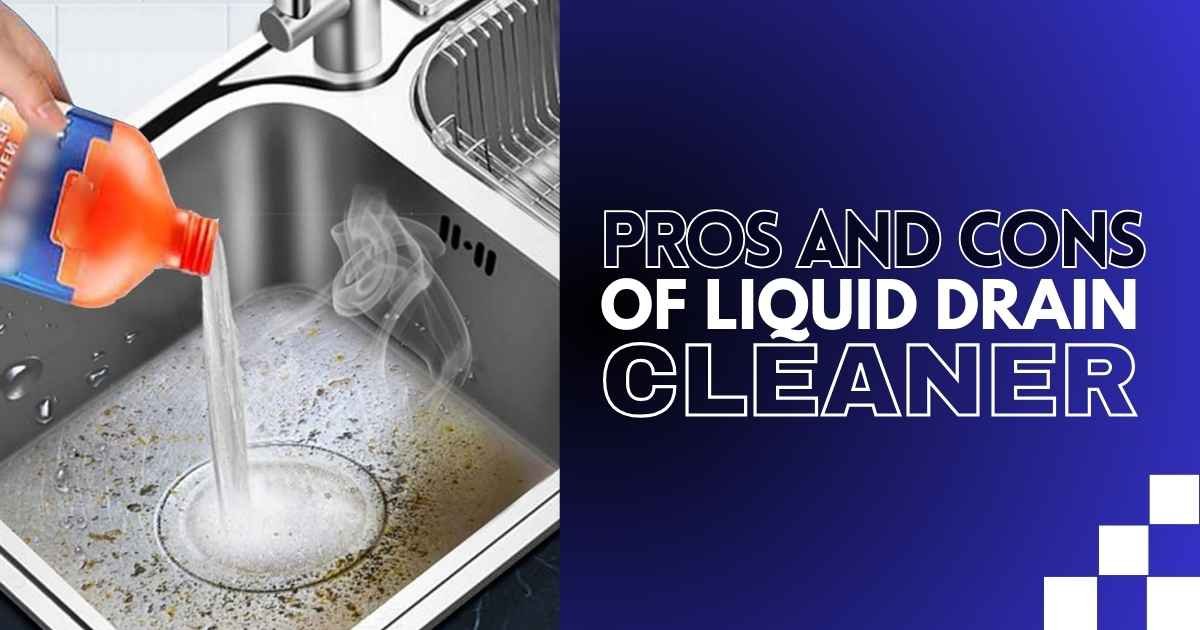
You see water slowly swirling around the drain, and your first reaction is to grab the
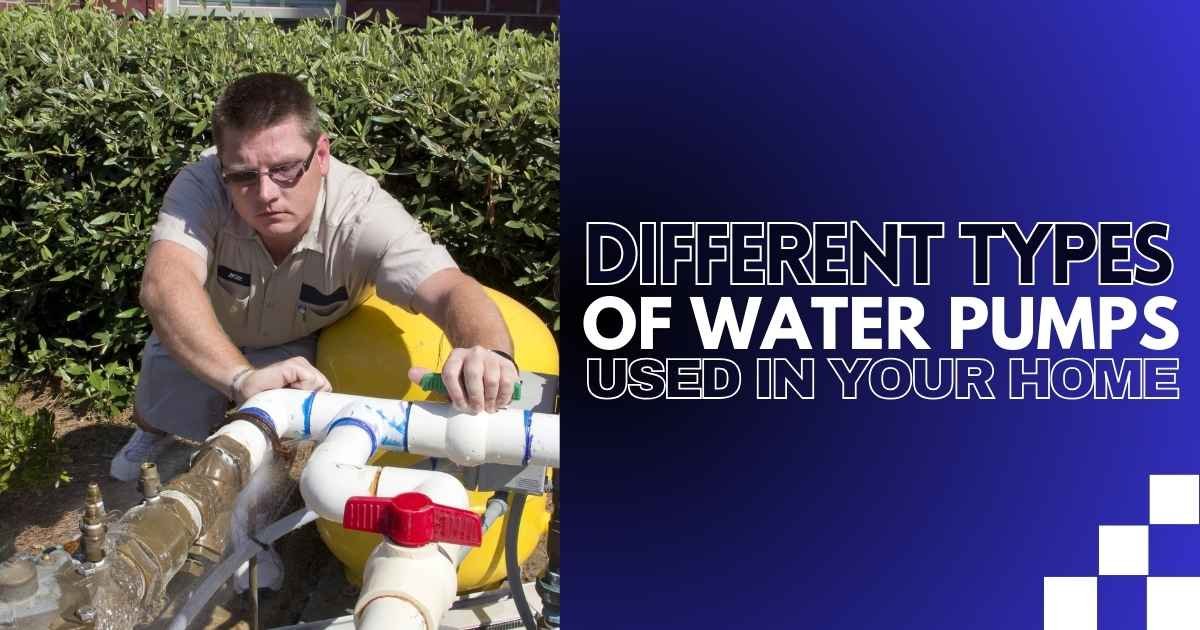
Learn about the different types of water pumps used in homes for tasks like water supply, drainage, and irrigation to find the best one for your needs.
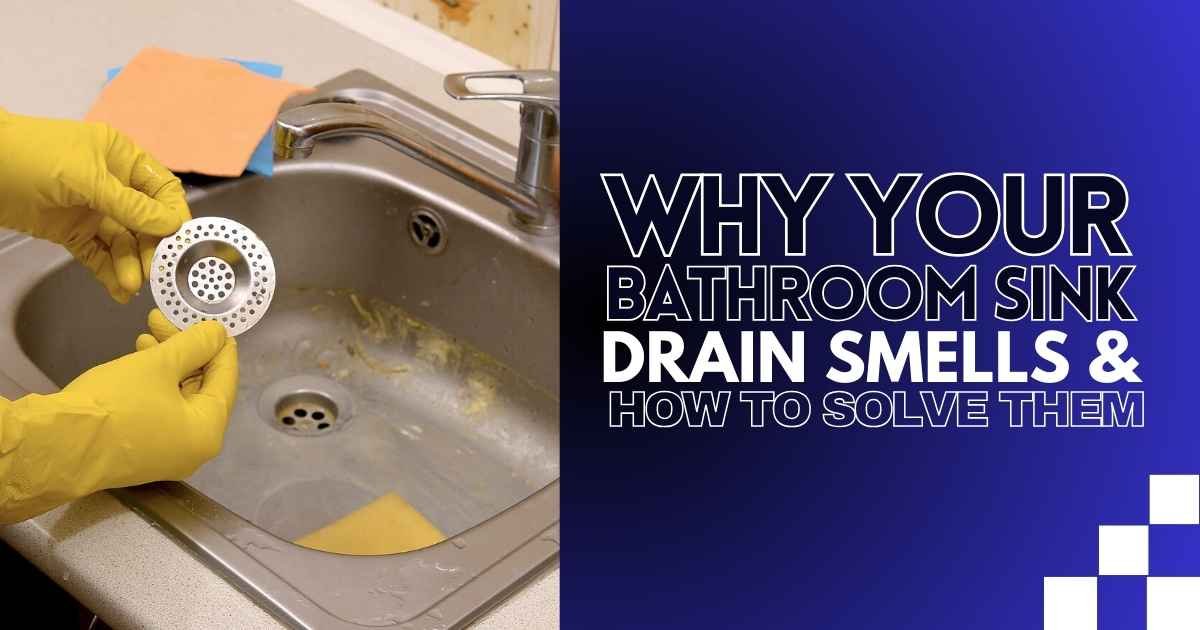
Learn the common reasons why your bathroom sink drain smells and simple solutions to keep your bathroom fresh and odor-free. Get the fix today!
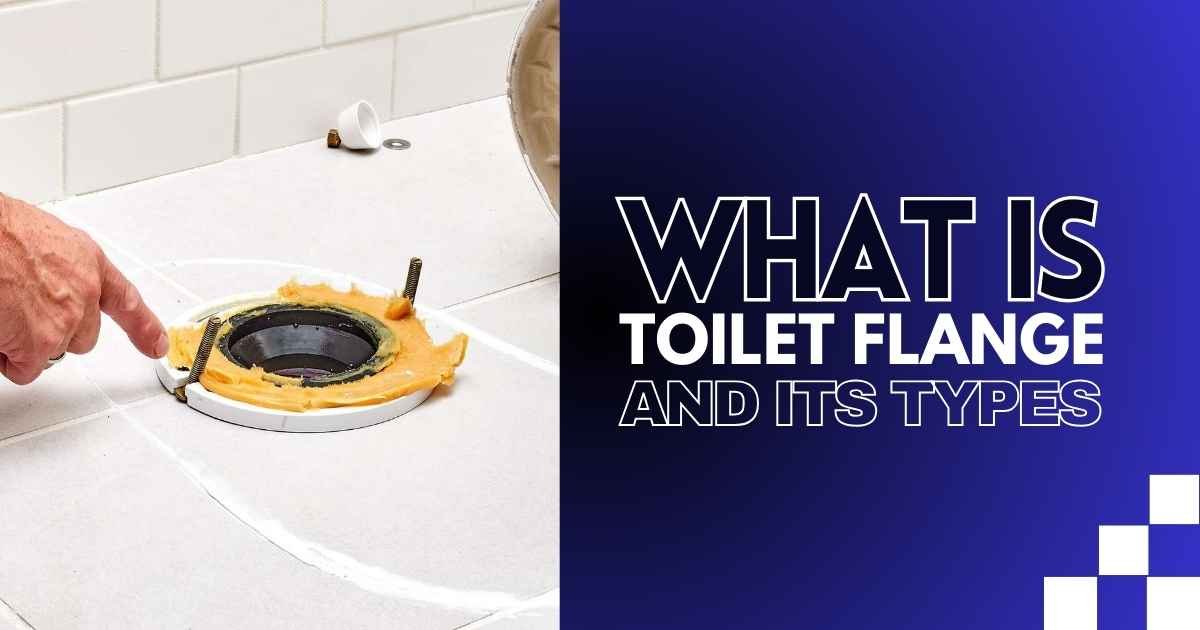
You’re in the middle of a bathroom renovation, choosing the perfect tiles, a sleek sink, and
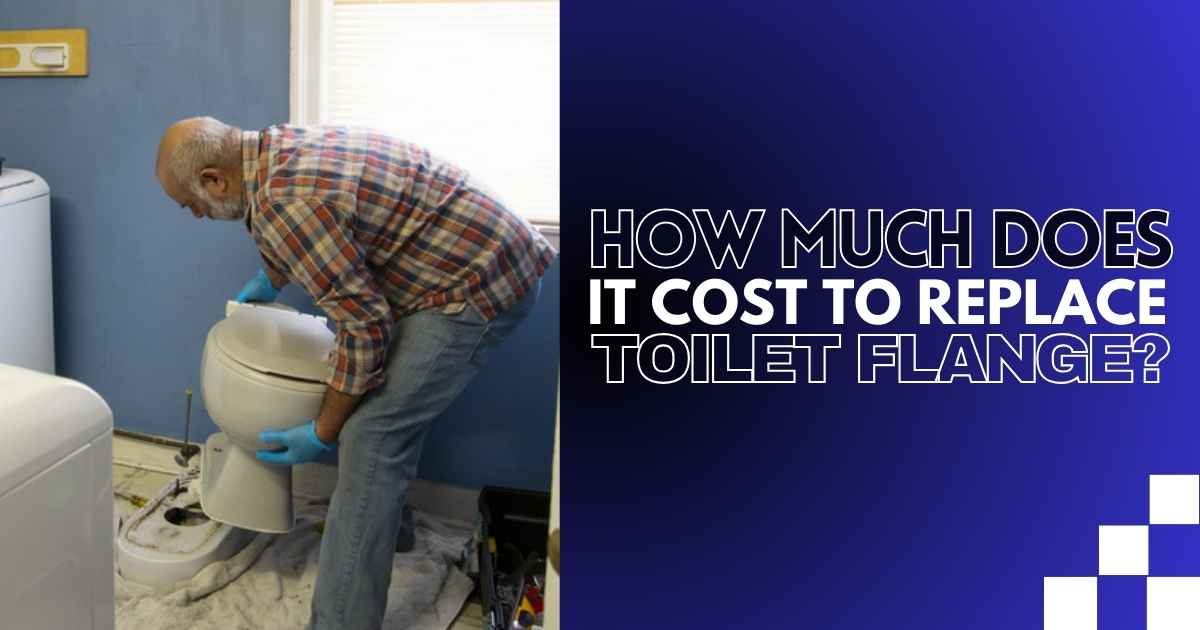
Learn about the cost of replacing a toilet flange, factors that affect the price, and how professionals like Vegas Plumbing Pros can help fix it right.
You’re waiting for hot water in the shower, or maybe you’re watching your electric bill slowly
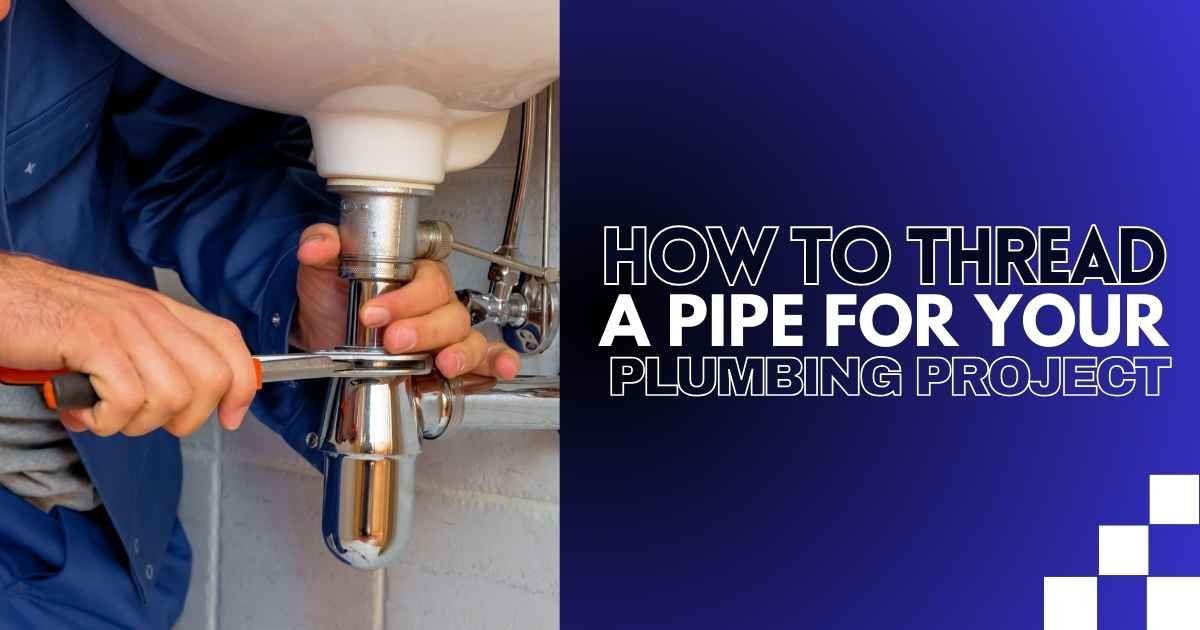
Threading a pipe is a key skill for any DIY plumbing project. It creates a tight seal, preventing leaks and ensuring long-lasting connections. With the right tools—like a pipe wrench, threading die, and cutting oil—you can thread pipes easily at home. Start by cutting the pipe cleanly, apply cutting oil to reduce friction, and use a threading die to create smooth, even threads. Test the fit to make sure it’s snug and leak-free. Learning to thread properly can save on repair costs and give you confidence in your plumbing work, making every project a little easier.
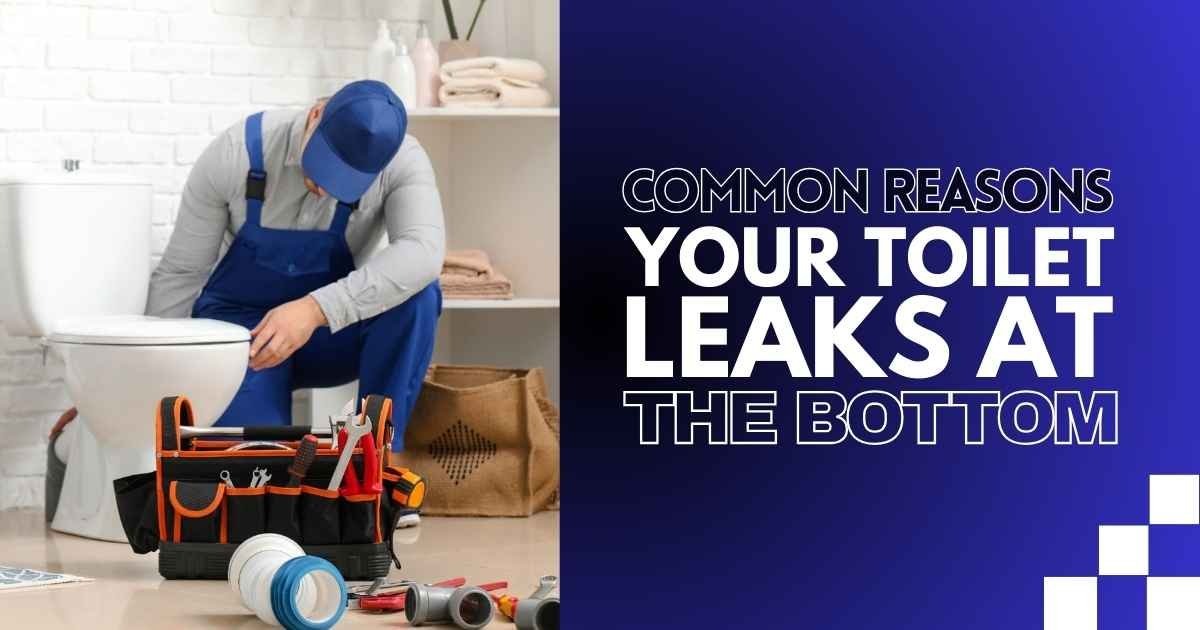
If you’ve noticed water around the bottom of your toilet, you might be dealing with a leak. Common causes include a worn-out wax ring, loose bolts, or issues with the water line. Sometimes, leaks can also happen from cracks in the toilet bowl or base. Fixing small leaks quickly can save you from bigger problems, like water damage or mold. Tightening bolts or replacing the wax ring are simple fixes, but more serious issues may need a plumber. Understanding these common reasons helps you keep your bathroom dry and prevents costly repairs in the long run.
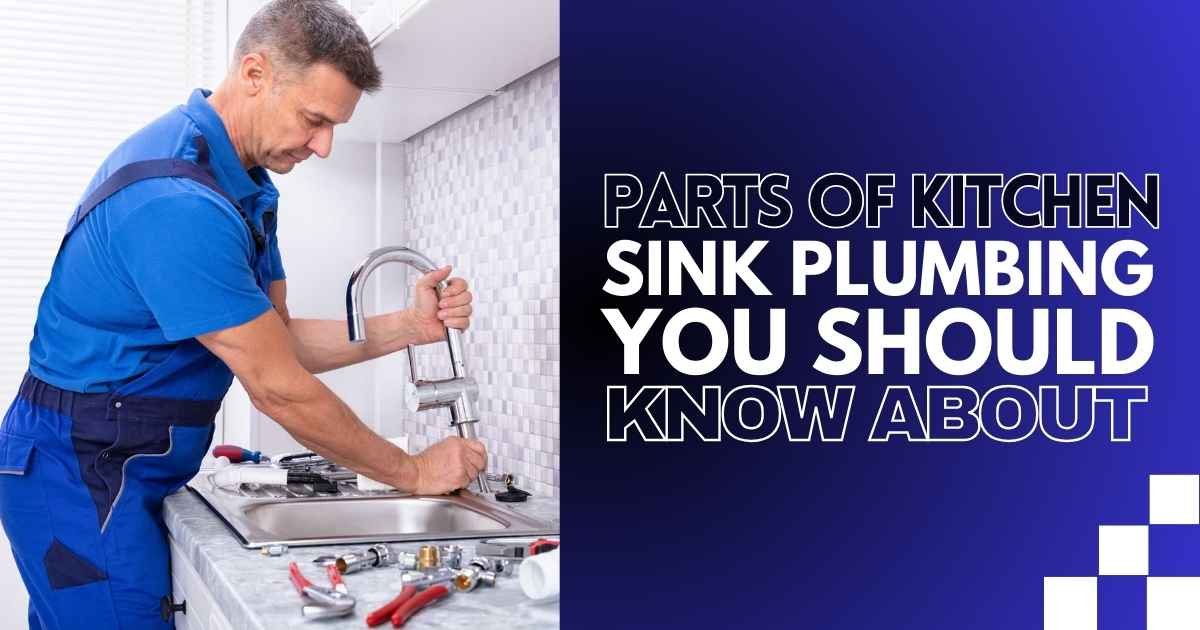
Understanding the parts of your kitchen sink plumbing can help you prevent leaks and clogs. Key components include the drain where water exits, the tailpiece that connects to the sink, and the P-trap, a curved pipe that traps debris and stops odors from coming up. There’s also the drain pipe that leads waste to the main plumbing line. Regular maintenance, like cleaning the drain and checking for leaks, can keep your sink in good shape. Knowing these basics helps you tackle small fixes on your own and spot issues before they turn into bigger problems.